


Health info…vaccinations, fleas, worms…..etc!
CA (Cerebellar Abiotrophy) is a nasty genetic fault in many breeds of dogs but is a big problem in Working Kelpies because of their relatively small genetic base and the impossibility of introducing clear bloodlines. I wrote about this in my May 2020 blog which can be accessed in Archives. Testing has at last become available with Dog Breeding Science, and although not 100% at this time, because of the complicated nature of the problem, the accuracy will improve as more dogs are tested and more information gained. I am testing my sires and all are clear. All bitches have tested clear. Any outside sire used will also be tested before use.

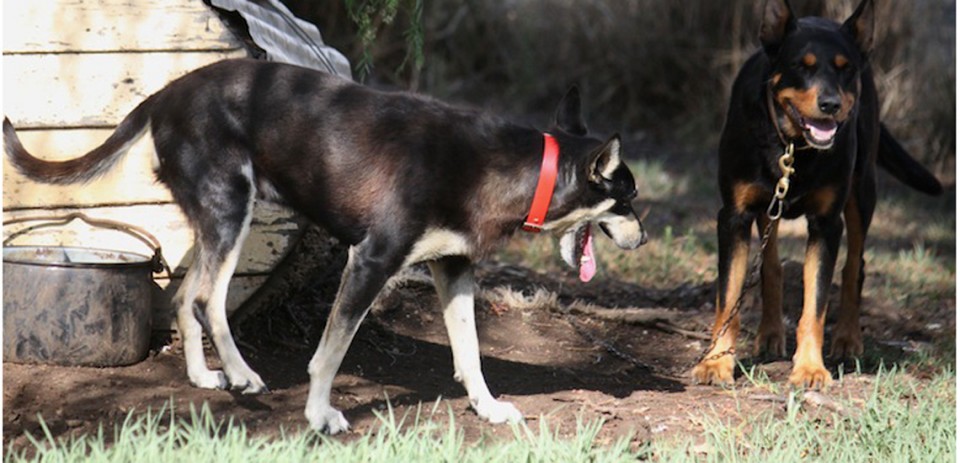
Meet Duke. Duke is 5 months old, and is at VERY low risk for any kind of disease with just a few simple adjustments.
If he were a puppy in the average home today, he would have had and or be getting the following toxins:
*3 SETS of vaccinations
*5 to 6 applications of toxic parasite treatments
*eating toxic laden dead dry kibble
*drinking water loaded with chemicals
*playing with toxic toys
*chewing on toxic dental sticks
*eating chemical laden ‘treats’
walking on grass treated with chemicals
He also may have been sterilized by now which would mean medications that are very hard on the organs and antibiotics which destroy the gut (some say the gut can never fully recover from antibiotic use). The body would have been traumatized by cutting it open, and the mind traumatized by the whole experience. The combination of the bacterial die off from the stress and the antibiotics combined with the loss of hormone activity and build up of toxins leave a body prime for disease. ?
Many Say…. Why do all these dogs have cancer?? ?
I say…. Why are you taking your dog to the vet?
What are you feeding your dog?? How clean is your water? Do you know there are effective nontoxic alternatives for vaccinations?? Do you know leaving a dog intact is MUCH better for his or her health and there are healthy alternatives if you must sterilize?? Do you know that all your conventional vet can offer you is medications and surgery which are very hard on the body and its auto response systems?? Do you know that the auto response system is EXTREMELY powerful and designed to protect your dog from disease??
The best way to keep your dog healthy over a long lifetime is to look after its immune system(auto response system) so it can manage any health problems it might face. This also applies to us, we also should eat less refined sugar and grains and less salt! Dry foods made by the big corporations, ie Mars, Purina and Nestle, are full of carbohydrates which dogs weren’t designed to eat.
VACCINATION
This is an article by Dr. Deb Maxwell.
A vet’s summary:
Deb Maxwell “A live parvo vaccine – (available only through vet) should give a minimum of 3 years protection, and possibly a lifetime protection. I say should instead of will because:
1. No matter what you do, some animals are non-responders to vaccines.
2. All animals are individuals, there is variation. However, research many years ago demonstrated that the C3 live vaccines – distemper, hepatitis and parvo, are very solid effective vaccines conferring very strong and long lived immunity and they found that the dogs in the trials had a minimum of 7 years effectiveness and some it lasted their lifetime. (they were progressively titre tested (check for antibodies) over years and I believe some were subject to real disease challenge.
Also the puppy shots are not boosters. Why are 2 or 3 given then as puppies? If you didn’t vaccinate your puppy until after 16 weeks, it would only need one shot. Now again, conservative vet associations, because the research is a bit lacking, say, give one after 16 weeks, and then one at about 12 months and then each 3 years. So why the earlier ones?? Well if you only vacc at 16 weeks and pup is exposed before then it may become infected.
Firstly, if the mother is vaccinated she will confer immunity to the pups for a while, but this is considered to wear off between about 6 weeks and 16 weeks. Give a vaccine while the mother’s passive immunity is in play and there’s a good chance the vaccine won’t “take”. Now almost every pup would have no more passive immunity at 16 weeks, so give vaccine after and the vaccine works.
( If you wait for 6 weeks a titre test can be done to check if the vaccine has ‘worked’ and you won’t need to vaccinate again for up to 8 years…Jan)
“Parvo is worse than COVID-19! Aside from direct contact with infected dogs and then handling your dogs, parvo lasts in the environment for many months to years, it can be walked in from somewhere else on shoes.
The other benefit of the live vaccine when done through your vet in a normal consultation is the vets check for other problems, such as picking up things like heart murmurs etc., which generally are less common in working dogs compared to other breeds, but still do occur.”
To cover that early risk of puppies getting parvo I give nosodes, available from “natural pet botanicals” online. This homeopathic procedure gives immunity equal to vaccines with no side effects by boosting their immune system. My puppy buyers are offered the choice of continuing with nosodes or having a C3 at 14-16 weeks. Vaccinating early is often negated by the immunity the bitch passes on to her pups, and figures in some studies have shown more pups vaccinated early die of parvo than unvaccinated pups.
It’s a fact that about 2000 dogs in WA who only received nosodes didn’t get parvo…..
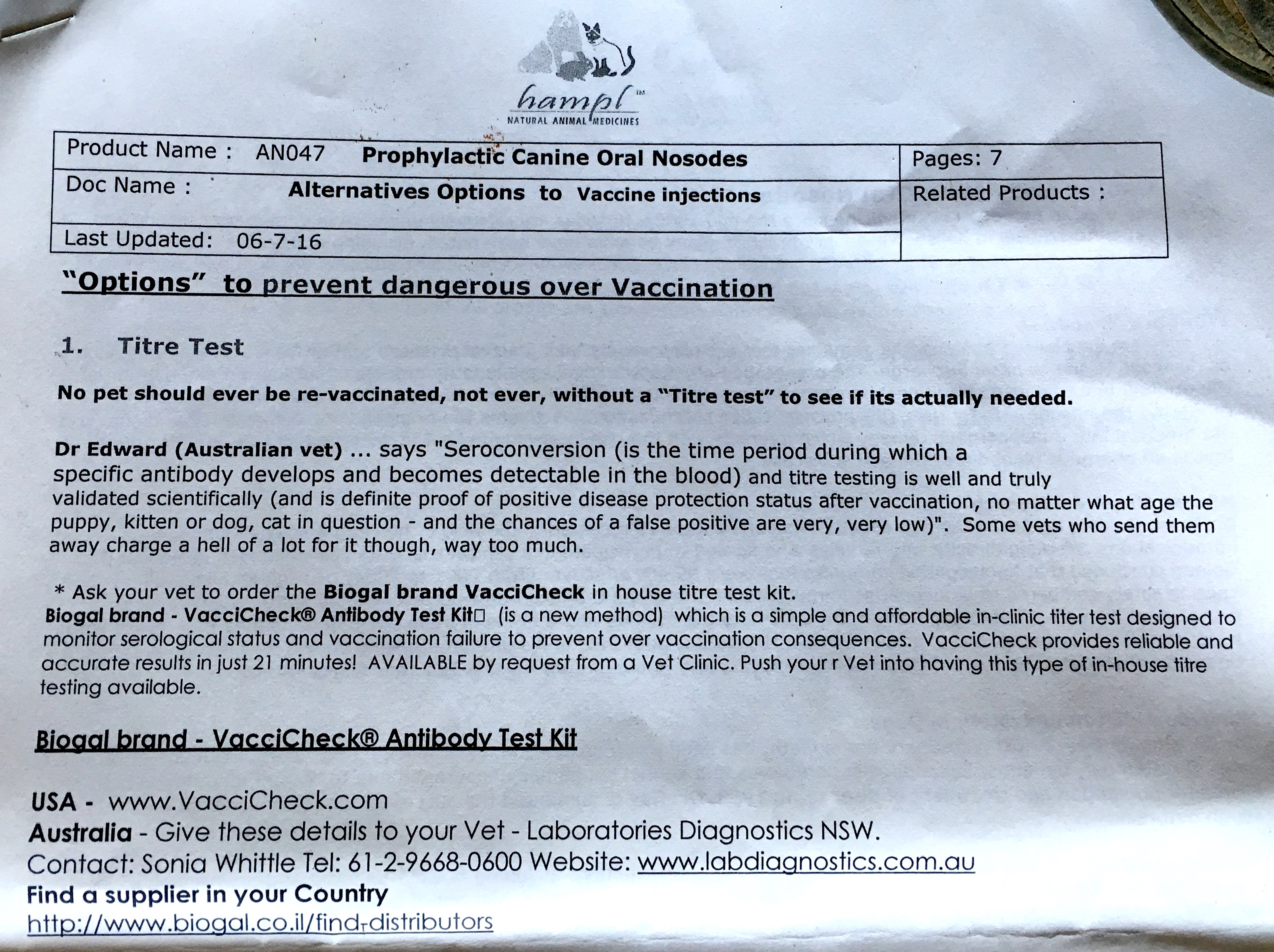
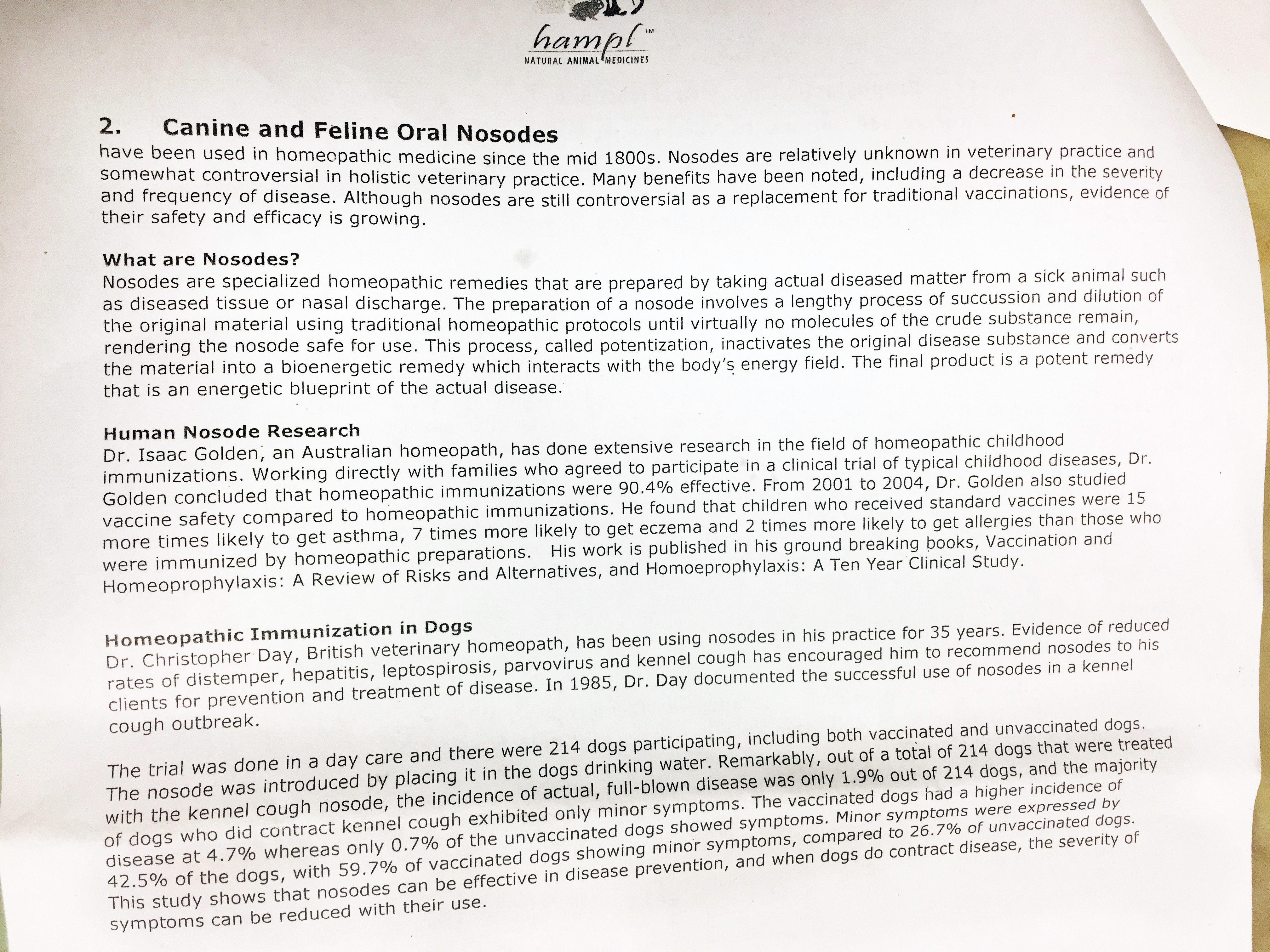
I thoroughly recommend natural therapies from HAMPL in Perth, I always have their HERBAL DEFENDER on hand for all illnesses, mine included. Their nosodes to protect against parvo, etc, are also great, and that’s just for starters. I’ve been using a nosode against Covid, a much safer option than the alternative. At least my immune system is still working! Now known as NATURAL PET BOTANICALS due to Big Pharma getting upset at the above.
Here is some info not commonly known: All 27 veterinary schools in North America have changed their protocols for vaccinating dogs and cats, however vets in practice are reluctant to listen to these changed protocols and official veterinary bodies in the UK and other countries are ignoring the following facts.
Dogs’ and cats’ immune systems mature fully at six months. If modified live-virus vaccine is giver after six months of age, it produces immunity, which is good for the life of the pet. If another MLV vaccine is given a year later, the antibodies from the first vaccine neutralise the antigens of the second vaccine and there is little or no effect. Not only are annual boosters unnecessary, but they subject the pet to potential risks such as allergic reactions and immune-mediated haemolytic anaemia. It has been proven that distemper vaccine is particularly bad and induces early arthritis.
This is what vaccine manufacturers want you to do….!
“Most viruses (like distemper and parvovirus) need to be first grown and harvested to make the vaccine. This process begins with a small amount of virus, which needs to be grown in cells. Various types of cells can be used, including chicken embryos, calf serum, or other cell lines that reproduce quickly and repeatedly.
Once the antigen is grown, vaccine manufacturers try to isolate it from the cells. But proteins and other food particles can still be present in the vaccine.
Then an adjuvant to stimulate an exaggerated immune response may be added, along with stabilizers or preservatives. Many vaccine adjuvants are made from vegetable oils, such as soybean, corn and peanut … so these plant-based oils can also cause food allergies. (It’s no wonder so many children have peanut allergies.)”
The new mRNA vaccines such as those developed to treat covid are even more damaging as they compromise the immune system. Information about damage caused is coming to light years later.

My pups are seldom wormed with a proprietary brand wormer because the DE worms them naturally. It will always be the smallest pup in a litter that gets sick, gets fleas, or anything else! Keep a good eye on it, if not eating as much as the other pups it might need worming with Milbemax because it isn’t getting enough DE. I’ve noticed in the last couple of years that hookworms appear to be less susceptible to DE and they seem to be the problem with the smaller pups. Natural Pet Botanicals make a natural wormer which is kinder to pups but I sometimes forget to use it in time. You just sprinkle it on their food.
FLEAS
Cool cloudy weather will encourage a build up of fleas because adults are killed by hot weather, but it takes 5-6 days of over 30’C temperatures in a month. This 2022-23 summer in SE Qld has been exceptionally cool and cloudy and the first time they were a real problem here. They are very tricky to deal with because the eggs can lie dormant for ages until vibration from movement can ‘wake them up’ in expectation of a nice drink of blood!!
I did some recent research on the chemicals available for parasites, fleas in particular. Always remember, if you don’t have fleas, worms, ticks etc. it’s unnecessary to treat for them!
FLEAS
Afoxolaner (in***** NEXGARD****)kills fleas by attacking their central nervous system through a “systemic” process, meaning it works from the inside out.
- Ingestion & Absorption: Your dog eats the chewable tablet, and the afoxolaner is rapidly absorbed into their bloodstream.
- Parasite Feeding: When a flea bites your dog and takes a blood meal, it ingests the afoxolaner.
- Nervous System Attack: The drug binds to specific receptors (GABA and glutamate-gated chloride channels) in the flea’s nerve cells. It blocks the normal flow of chloride ions, which are essential for keeping nerves calm.
- Hyperexcitation & Death: This blockade causes the flea’s nervous system to become “stuck” in an “on” position. This leads to hyperexcitation—uncontrolled activity and paralysis—which eventually kills the flea.
Fluralaner (commonly used in ****BRAVECTO****) is an isoxazoline insecticide that kills fleas and ticks by inhibiting their nervous system, causing paralysis and death. It acts systemically, absorbed into the pet’s bloodstream or skin tissues, where it is consumed by parasites during feeding, providing protection for up to 12 weeks.
Key Aspects of How Fluralaner Works:
- Action Mechanism: It acts as a potent inhibitor of ligand-gated chloride channels, specifically targeting gamma-aminobutyric acid (GABA)-gated and glutamate-gated channels in the nervous system of parasites.
- Selectivity: The compound is highly selective for insect and arthropod neurons, causing overstimulation in their nerve cells while having minimal impact on mammalian nerve function.
- Systemic Action: Once administered (oral or topical), fluralaner circulates through the bloodstream or accumulates in the skin’s interstitial fluids. Fleas and ticks ingest the compound when they take a blood meal.
- Long-Lasting Protection: Its pharmacokinetic properties allow it to have a long elimination half-life, meaning it remains active in the body for up to 12 weeks (84 days) after a single dose.
- Rapid Kill Rate: Fluralaner starts killing fleas within 2 hours of ingestion, and kills 100% of fleas on a dog within 12 hours. It also kills ticks
- Common Adulticides (Adult Flea Killers)
These chemicals focus on the central nervous system of adult fleas:
- Selamectin (e.g., Revolution): Binds to glutamate-gated chloride channels in the flea’s nerve cells. It keeps these channels open, causing a continuous flow of chloride ions that results in permanent electrical “lockup,” leading to flaccid paralysis and death.
- Fipronil (e.g., Frontline): Blocks GABA-gated chloride channels. GABA normally inhibits nerve signals; by blocking it, fipronil causes the flea’s nervous system to go into overdrive (hyperexcitation), leading to convulsions and death.
- Imidacloprid (e.g., Advantage): Mimics nicotine by binding to nicotinic acetylcholine receptors. This causes continuous stimulation of the flea’s nerves, resulting in paralysis and death, often within minutes of contact.
- Spinosad (e.g., Comfortis): Overstimulates the nervous system by activating nicotinic acetylcholine receptors and affecting GABA receptors. It is known for its rapid “speed of kill,” often reaching 100% efficacy within 24 hours.
Insect Growth Regulators (Lifecycle Disruptors)
These do not kill adult fleas but prevent the next generation from developing.
S-Methoprene and Pyriproxyfen: These act as juvenile hormone mimics. They trick flea eggs and larvae into “thinking” they aren’t ready to mature, preventing them from ever reaching the adult biting stage.
I’VE HAD 2 LITTERS FROM BITCHES TREATED DURING PREGNANCY WITH FRONTLINE PLUS. IN BOTH LITTERS ALL DOG PUPS DIED WITHIN AN HOUR OF BIRTH AND A BITCH SURVIVED. About 10 years in between and I’d forgotten.I reported the first case to the manufacturer.
- Lufenuron: A chitin synthesis inhibitor. It prevents fleas from forming their hard outer shell (exoskeleton), which means flea eggs cannot hatch and larvae cannot develop
- THIS IS THE ONLY REALLY SAFE FLEA TREATMENT, ALL OTHERS ATTACK THE NERVOUS SYSTEM OF THE FLEA AND SOME DOGS ARE ALSO AFFECTED. Previously marketed as Sentinel, and still available in America, we now have to buy it as Credelio Plus with added worm treatment. This has caused some deaths because of heartworm build up; it’s always been recommended that dogs be tested prior to HW treatment. I have decided to use Credelio for a year in an effort to clean up the pup pens from fleas.
Comparison Table: Common Ingredients
|
Chemical |
Common Brand(s) |
Primary Action |
Targeted Life Stage |
|
Selamectin |
Revolution, Stronghold |
Binds glutamate-gated chloride channels |
Adults, Eggs, Larvae |
|
Fipronil |
Frontline, Effipro |
Blocks GABA-gated chloride channels |
Adults |
|
Imidacloprid |
Advantage, Seresto |
Binds nicotinic acetylcholine receptors |
Adults, Larvae |
|
Spinosad |
Comfortis, Trifexis |
Overstimulates acetylcholine receptors |
Adults |
|
S-Methoprene |
Often in Frontline Plus |
Mimics juvenile growth hormones NEVER USE ON PREGNANT BITCHES! |
Eggs, Larvae |
1. Safety by Age Range
The youngest puppies have limited chemical options because their systems are still developing.
- Newborn to 4 Weeks: No chemicals are recommended. Safety relies on physical removal using a flea comb and warm baths. Treating the mother with a puppy-safe product like Advantage is often used to create a “protective bubble” for the litter.
- 4 to 6 Weeks: Capstar (Nitenpyram) is often safe from 4 weeks of age and 1kg in weight for immediate “knockdown” of live fleas, but it only lasts 24 hours.
- 6 Weeks+: Selamectin (e.g., Revolution Pink) is specifically formulated and tested safe for puppies from 6 weeks of age.
- 8 Weeks+: Most major chewables like NexGard Spectra, Simparica Trio, and Bravecto
Recommended Puppy Products
|
Product |
Age Minimum |
Form |
Why it’s chosen for pups |
|
Revolution (Selamectin) |
6 Weeks |
Topical |
Broad-spectrum (fleas, heartworm, mites) with a high safety margin in young pups. |
|
Advantage (Imidacloprid) |
0-1 Days* |
Topical |
Often cited as one of the gentlest topicals; kills fleas on contact so they don’t have to bite. |
|
8 Weeks |
Chew |
Highly popular “all-in-one” (fleas, ticks, worms) for older puppies. |
|
|
4 Weeks |
Tablet |
Best for immediate relief of a heavy infestation; starts working in 30 |

Many thanks to Marina for all her help and advice, here with Jesse and Cash.